Equipment and Accessories
Whether you ride to work, train on weekends, or just enjoy a casual spin around the neighborhood, having the right cycling equipment and accessories makes every ride safer, more comfortable, and more enjoyable. The challenge for most riders is knowing where to start: the cycling market is full of products, and it is easy to feel overwhelmed or spend money on items you do not actually need.
This overview walks you through the essentials, explains what each item does, and helps you prioritize your purchases so you can build a kit that matches your riding style without unnecessary expense.
Why Quality Gear Matters
Cycling is a low-impact activity, but it still involves speed, traffic, and weather exposure. The right equipment serves three purposes: keeping you visible and protected, keeping your bike running smoothly, and making longer rides physically sustainable. A rider who invests sensibly in the basics will typically ride more often, because comfort and confidence are directly linked to how well prepared you feel.
The Essential Safety Equipment
Helmets
A helmet is the single most important purchase for any cyclist. Modern helmets are lighter, better ventilated, and more affordable than ever. When choosing one, look for proper certification, a snug but comfortable fit, and an adjustment system that lets you fine-tune the retention dial. Try helmets on whenever possible, because head shapes vary and the best helmet is the one you forget you are wearing.
Remember that helmets should be replaced after a significant impact, even if no damage is visible, and generally every few years as foam degrades over time.
Lights and Visibility
Visibility is about more than riding at night. Front and rear lights improve your safety in fog, rain, and even on overcast days. Many regions in the United States, the United Kingdom, Canada, and Australia have regulations requiring lights after dark, so this is not an optional accessory.
- Front light: choose one with a wide beam for visibility and, if you ride on unlit roads, enough output to see the surface ahead.
- Rear light: a flashing mode attracts attention in daylight; a steady mode is often preferred at night.
- Reflective gear: vests, ankle bands, and reflective stickers on your frame add visibility at very little cost.
Locks
If you ever leave your bike unattended, a quality lock is essential. U-locks and heavy-duty chain locks offer the best protection for urban parking. As a rule of thumb, budget around ten percent of your bike’s value for a lock, and secure both the frame and the rear wheel to a fixed object.
Comfort and Riding Accessories
Padded Shorts and Cycling Clothing
Beginners often resist padded shorts, then wonder how they ever rode without them. A chamois pad reduces friction and pressure on longer rides. You do not need a full racing kit; a pair of padded shorts and a breathable jersey or moisture-wicking top covers most needs. Cycling-specific gloves protect your palms in a fall and reduce numbness on longer outings.
Bike Computer or Smartphone Mount
Tracking your rides adds motivation and helps you gauge progress. A basic bike computer displays speed and distance, while more advanced models add navigation and heart rate data. If you prefer your phone, a sturdy handlebar mount is far safer than a pocket, and a small power bank extends battery life on long rides.
Water Bottles and Cages
Hydration matters even on short rides. Most frames have braze-ons for bottle cages, and a standard bottle is one of the cheapest upgrades available. For rides over an hour, carry at least one bottle; for hot summer rides, two.
Maintenance and Repair Kit
Being able to fix a flat tire or tighten a loose bolt turns a potential walk home into a minor delay. A compact repair kit belongs on every ride, and a few basic tools at home keep your bike in good condition between services.
What to Carry on Every Ride
- Spare inner tube in the correct size for your wheels.
- Tire levers to remove the tire from the rim without damaging the tube.
- Mini pump or CO2 inflator to restore pressure after a repair.
- Multi-tool with the common hex sizes for your bike’s bolts.
- Patch kit as a backup if you use your spare tube and get a second flat.
Practice changing a tube at home before you need to do it on the roadside. Ten minutes of practice saves considerable frustration in the rain.
Home Maintenance Basics
- A floor pump with a pressure gauge, since correct tire pressure is the cheapest performance upgrade available.
- A chain lubricant, applied sparingly and wiped of excess, which extends drivetrain life significantly.
- A cleaning brush or rag for routine wiping of the frame and drivetrain.
- A torque wrench if you work on carbon components, where overtightening causes damage.
Choosing Accessories Based on Your Riding Style
Not every cyclist needs the same gear. Matching accessories to how you actually ride avoids wasted spending and clutter.
- Commuters benefit most from lights, a sturdy lock, fenders, and a rack or pannier bag to keep clothing dry and bags off their back.
- Road and fitness riders typically prioritize padded shorts, a cycling computer, spare tubes, and lightweight pedals and shoes as they progress.
- Mountain bikers need full-coverage helmets or additional protection, gloves, a more robust repair kit, and tubeless repair tools if their wheels are set up tubeless.
- Touring and bikepacking riders invest in carrying solutions such as panniers, frame bags, and dynamos for charging devices over multi-day trips.
Consider a rider named Sarah, who started commuting ten miles each way to her office. Her first purchases were a helmet, lights, and a lock. Within a month she added fenders after one rainy ride soaked her work clothes, then panniers after tiring of a sweaty backpack. Each purchase answered a real problem she encountered, which is exactly how a sensible kit grows.
Budgeting: Where to Spend and Where to Save
You do not need to buy everything at once, and price does not always equal value. Spend more on items that protect your body or safety, such as helmets, lights, and locks. Save on items where basic versions perform almost identically to premium ones, such as bottle cages, basic multitools, and entry-level pumps.
- Worth the investment: helmet, lights, lock, proper saddle, padded shorts.
- Safe to buy budget versions: bottle cages, tire levers, reflectors, basic tools.
- Buy only when a need appears: cycling shoes, power meters, travel cases, electronic shifting tools.
Common Mistakes to Avoid
New riders often make a few predictable errors. Buying a helmet online without trying it on leads to poor fits and discomfort. Overinflating tires to the maximum listed pressure makes rides harsher without improving speed on rough roads. Carrying tools you do not know how to use adds weight without value. Finally, buying accessories because a professional rider uses them rarely matches the needs of everyday riding; a professional race setup is not designed for a loaded commute.
Getting Started: A Simple Priority List
If you are building your kit from scratch, this order works well for most riders:
- Helmet fitted correctly.
- Front and rear lights.
- A lock appropriate to where you park.
- Repair kit with spare tube and pump.
- Padded shorts and gloves.
- Bottle and cage.
- Clothing suited to your climate, including rain gear if needed.
- Everything else, added gradually as your riding evolves.
Cycling rewards consistency more than sophistication. Start with the essentials, ride regularly, and let real experience tell you which accessories deserve a place on your bike. Over time you will build a setup that fits your routes, your climate, and your goals, and every ride will feel a little smoother than the last.
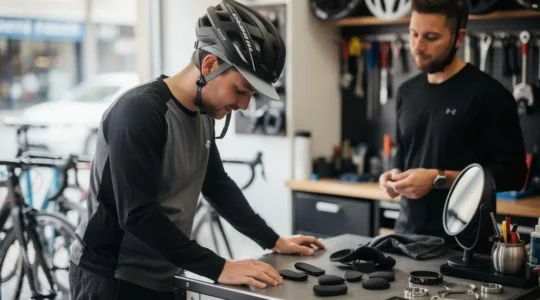
Do MIPS Liners Matter More for Low-Speed Falls Than High-Speed Crashes ?
A cyclist loses balance at a junction, tips sideways and strikes the road at a modest speed. Another rider crashes downhill, hitting the ground much harder. Which rider benefits more from a MIPS helmet? The answer is not simply the…
Lire la suite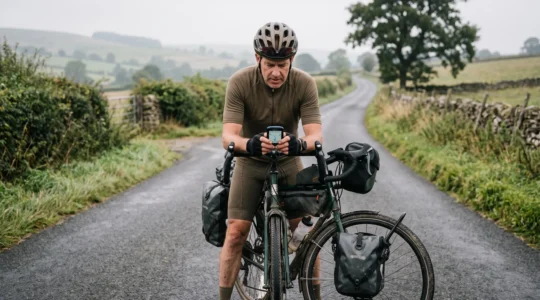
Which GPS Cycling Computer Features Matter Most for 8+ Hour Touring Days
Eight hours into a touring ride, a GPS cycling computer is no longer just a convenient way to see speed and distance. It becomes a navigation system that must remain dependable when the weather deteriorates, battery reserves shrink, and unfamiliar…
Lire la suite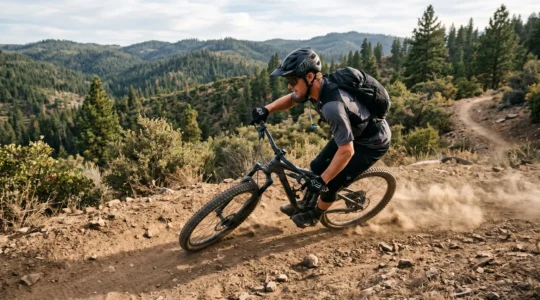
Which Hydration Pack Design Stays Stable on Descents Without Making Your Back Soak
A hydration pack that feels secure on a steady climb can bounce, rub and trap heat when the trail turns rough. The solution is not necessarily to tighten every strap. Stability depends on how the load is positioned, how the…
Lire la suite